
- ✓ Open 24 hours, 7 days a week
- ✓ Serving San Francisco County, San Mateo County, Santa Clara County and 74 more areas
When you need to rebuild after property damage, the central question is straightforward: What work are we agreeing to, and how will we know it is complete?
SOS Restoration Of San Francisco offers Rebuild alongside water damage restoration, fire and smoke damage restoration, mold remediation, and other damage restoration services. To plan your project, start by separating your immediate damage-related needs from the result you want the rebuild to achieve.
This guide gives you a step-by-step way to organize that conversation: identify the services you need, define the intended result, clarify the scope, discuss practical arrangements, and establish how you will review the finished work.
1. Start With the Damage and Your Immediate Concerns
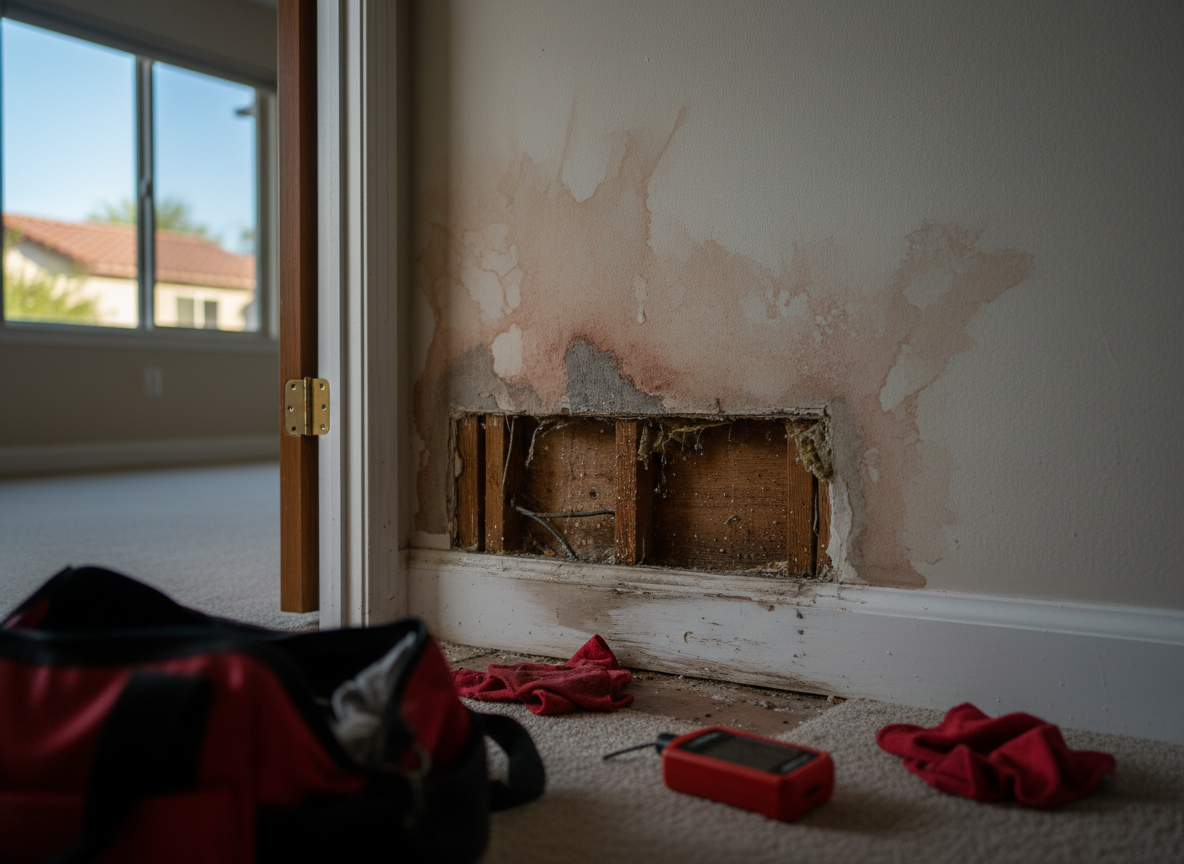
Before discussing the finished space, explain what happened and what is concerning you now. Keep your description concrete: which areas are affected, what you have noticed, and what work you have already authorized.
Prepare a short list that includes:
- The areas you want to discuss.
- Any water, fire, smoke, mold, storm, sewage, or other damage concerns.
- Services already performed or currently arranged.
- Your questions about emergency response versus rebuild work.
Why this step matters: It gives the conversation a clear starting point. Rather than using “rebuild” to describe every need at once, you can discuss the damage-related services and the rebuild scope separately.
SOS Restoration Of San Francisco offers 24/7 Emergency Response, water extraction, structural drying, flood cleanup, emergency board-up, and other restoration services. If you are calling about an urgent situation, lead with that concern rather than starting with your preferences for the finished space.
2. Describe the Result You Want

Next, explain what you want the rebuild to accomplish. Focus on the areas involved and your priorities rather than trying to write a technical work plan yourself.
Useful prompts include:
- Which affected spaces do I want included in this discussion?
- What would I consider a completed result?
- Which details are most important to me?
- Which decisions do I want to review before agreeing to the work?
If you have photographs or notes that help explain your priorities, gather them for the conversation. Keep your requests specific enough to discuss individually.
Why this step matters: A clear description gives you something to compare with the proposed scope. It also lets you distinguish between what you are requesting and what you have actually agreed to.
3. Clarify What Is Included—and What Is Separate
Ask for a clear description of the proposed rebuild work before authorizing it. Review each affected area rather than relying on a broad phrase such as “restore everything.”
For each area, ask:
- What work is included?
- What work is excluded?
- Are any decisions still open?
- Which related services should be discussed separately?
- What requires my approval before proceeding?
SOS Restoration Of San Francisco also offers contents cleaning and restoration, smoke odor removal, soot and odor removal, mold remediation, and commercial damage restoration. If one of those services is relevant to your situation, ask how it relates to your rebuild request rather than treating it as automatically included.
Why this step matters: Your list of requested work and the agreed scope should be easy to compare. Discussing exclusions is just as important as discussing inclusions: it gives you an opportunity to resolve questions before making a commitment.
4. Discuss Timing, Access, and Cost Questions
Once you have discussed the intended work, turn to the practical arrangements. Bring your scheduling constraints, access requirements, and financial questions into the same conversation.
Ask about:
- The proposed timing and sequence of work.
- Decisions you need to make before work begins.
- Access arrangements for the affected areas.
- How pricing and payment arrangements will be presented.
- How questions or requested changes should be raised.
Avoid choosing a completion date for your own plans before discussing it with the business. Instead, explain any important dates and ask how they fit with the proposed work.
Why this step matters: These questions turn a general discussion about rebuilding into a practical plan you can review.
If You Are Using Insurance
SOS Restoration Of San Francisco works with all insurance and offers direct insurance billing.
Ask how direct billing would be handled for your project. Separately, ask your insurer to explain your coverage, any approval requirements, and your payment responsibilities. Keep the work you want, the work you authorize, and the coverage you discuss with your insurer clearly distinguished in your notes.
5. Keep Decisions and Changes Clear
As you review the project, keep one working record of your questions, decisions, and approvals. Refer back to the agreed scope when discussing a new request.
Before approving a change, ask:
- What is being changed?
- Does it affect the agreed price or timing?
- What decision is needed from me?
- How will the revised agreement be recorded?
Why this step matters: A clear record gives you a consistent reference point. It also helps you avoid treating an idea discussed in conversation as an approved part of the work.
6. Agree on How You Will Review Completion
Discuss completion before the end of the project. Ask how you will review the finished work against the agreed scope and how to raise any remaining questions.
For your own review, return to the same area-by-area list you used at the beginning. Check each agreed item and write down anything you want to discuss.
Why this step matters: Reviewing against the agreed scope keeps the conversation focused on specific commitments rather than a general impression of whether the project feels finished.
A Short Checklist for Your First Rebuild Call
Have these items ready:
- A description of the damage and affected areas.
- Your immediate concerns.
- Details of work already arranged or completed.
- Your priorities for the finished result.
- Questions about scope, timing, pricing, and insurance billing.
To discuss Rebuild, call SOS Restoration Of San Francisco at 415-625-8863 or email sosrestorationco@gmail.com. The business is locally owned and operated, licensed, insured and bonded, and IICRC Certified.
Frequently Asked Questions
Does SOS Restoration Of San Francisco offer Rebuild?
Yes. Rebuild is one of its listed services. Start by describing the affected areas and the result you want, then ask for the proposed scope.
Can I also ask about water or fire damage restoration?
Yes. Services include water damage restoration, fire and smoke damage restoration, water extraction, structural drying, and smoke odor removal. Discuss which services relate to your situation and how they connect with your rebuild request.
Does the business work with insurance?
Yes. SOS Restoration Of San Francisco works with all insurance and offers direct insurance billing. Ask about billing arrangements for your project and direct coverage questions to your insurer.
Is emergency response available outside normal business hours?
Yes. SOS Restoration Of San Francisco offers 24/7 Emergency Response and is open 24 hours every day.
What should I ask first?
Start with: “What work are you proposing for the affected areas, and what is included?” Then discuss timing, pricing, approvals, and how completion will be reviewed.